Discover how chiropractic care for tension headaches offers natural relief. Learn about spinal adjustments, holistic treatments, and prevention tips
Tension headaches are one of the most common types of headaches, causing mild to moderate pain that feels like a tight band around the head. While over-the-counter pain medications can provide temporary relief, they don’t address the underlying causes.
Chiropractic care offers a safe, natural approach to managing tension headaches by targeting misalignments in the spine and neck that may be contributing to your pain.
Key Takeaways
- Tension headaches are often caused by muscle tension and misalignments in the neck and upper back
- Chiropractic adjustments can relieve tension and improve spinal function to reduce headache frequency and intensity
- Chiropractors also provide lifestyle advice, exercises, and other therapies as part of a holistic treatment plan
- Research shows that chiropractic care is an effective, drug-free option for treating tension headaches
Table of Contents
Understanding Tension Headaches
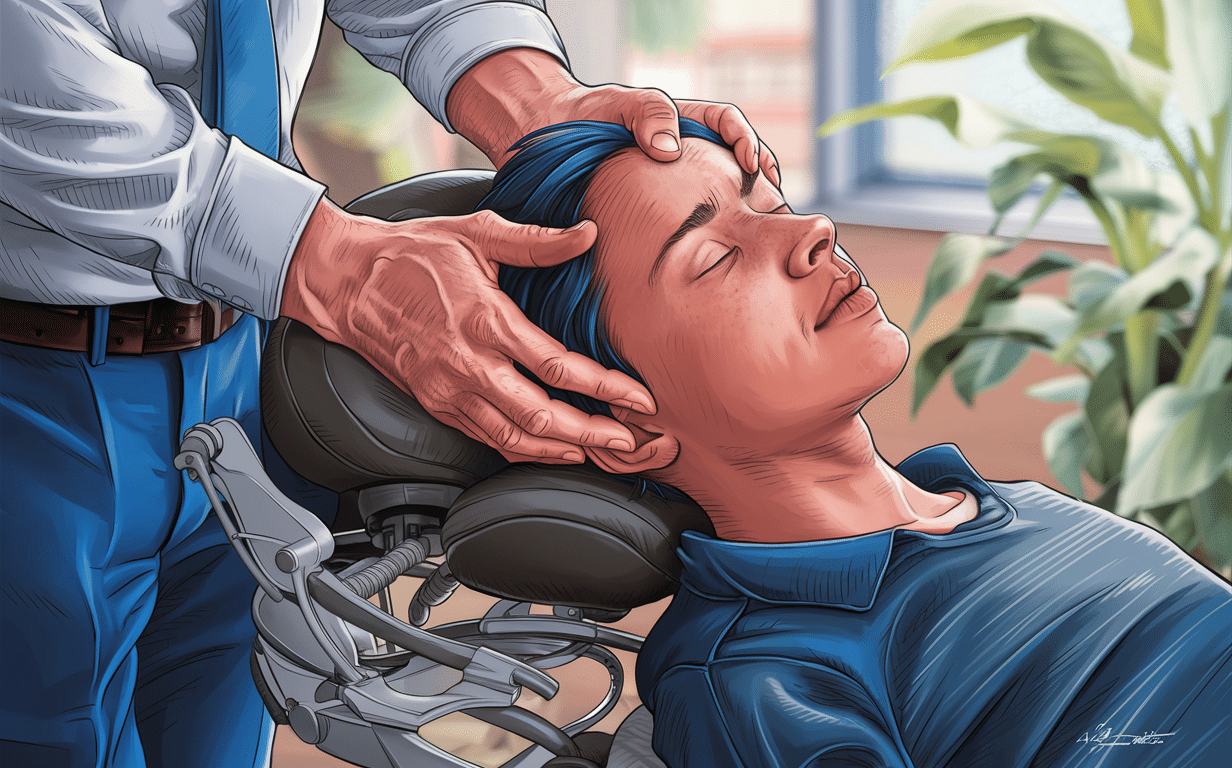
Tension headaches are the most prevalent type of headache, affecting up to 80% of the population. Common symptoms include:
- Dull, aching head pain
- The sensation of tightness or pressure across the forehead or on the sides and back of the head
- Tenderness in the scalp, neck, and shoulder muscles
Tension headaches are classified as either episodic or chronic. Episodic headaches occur fewer than 15 days per month, while chronic headaches occur 15 or more days per month for at least 3 months. Chronic tension headaches can significantly impact the quality of life.
The exact cause of tension headaches is not known, but several factors can trigger or exacerbate them, including:
- Stress and anxiety
- Poor posture
- Lack of sleep
- Eye strain
- Dehydration
- Skipping meals
How Chiropractic Care Can Help

Chiropractors are trained to identify and correct misalignments in the spine, known as subluxations. These misalignments can cause muscle tension, nerve irritation, and disrupted blood flow that may contribute to tension headaches.
Spinal Adjustments
The primary chiropractic treatment for tension headaches is spinal manipulation or adjustments. By gently manipulating the spine and neck, chiropractors can:
- Restore proper alignment
- Relieve muscle tension
- Reduce nerve irritation
- Improve circulation
A 2001 report in the Journal of Manipulative and Physiological Therapeutics found that spinal manipulative therapy was effective for treating tension headaches and had fewer side effects than commonly prescribed medications. A 2017 review also concluded that chiropractic care can reduce headache intensity and frequency, as well as reliance on medication.
Soft Tissue Therapy
In addition to spinal adjustments, chiropractors may use various soft tissue therapies to relax tense muscles and promote healing. These include:
- Trigger point therapy: Applying direct pressure to hyperirritable spots in muscles
- Manual release techniques: Gently stretching and mobilizing tight muscles and fascia
- Instrument-assisted therapy: Using specialized tools to detect and treat areas of muscle tension
Lifestyle Advice and Education
Chiropractors take a holistic approach to tension headache management. In addition to manual therapies, they provide lifestyle advice and education to help prevent future headaches. This may include:
- Guidance on proper posture and ergonomics
- Stretching and strengthening exercises for the neck and shoulders
- Relaxation techniques to manage stress
- Nutrition and hydration tips
By addressing the underlying causes of tension headaches and equipping patients with self-care strategies, chiropractors can help break the cycle of recurring headaches.
Chiropractic Care for Tension Headaches: Prevention Tips

While chiropractic care is an effective treatment option, there are also steps you can take to prevent chiropractic care for tension headaches:
- Maintain good posture: Keep your head up, shoulders back, and spine straight when sitting or standing. Use ergonomic furniture and equipment at work.
- Stretch regularly: Gentle neck and shoulder stretches can help relieve muscle tension. Aim to stretch several times throughout the day.
- Manage stress: Practice relaxation techniques like deep breathing, meditation, or yoga. Make time for hobbies and activities you enjoy.
- Stay hydrated: Drink plenty of water throughout the day to prevent dehydration, which can trigger headaches.
- Get enough sleep: Aim for 7-9 hours of quality sleep per night. Establish a regular sleep schedule and create a relaxing bedtime routine.
- Exercise regularly: Physical activity can reduce stress, improve posture, and promote better sleep, all of which may help prevent tension headaches. Aim for at least 30 minutes of moderate exercise most days of the week.
When to Seek Chiropractic Care
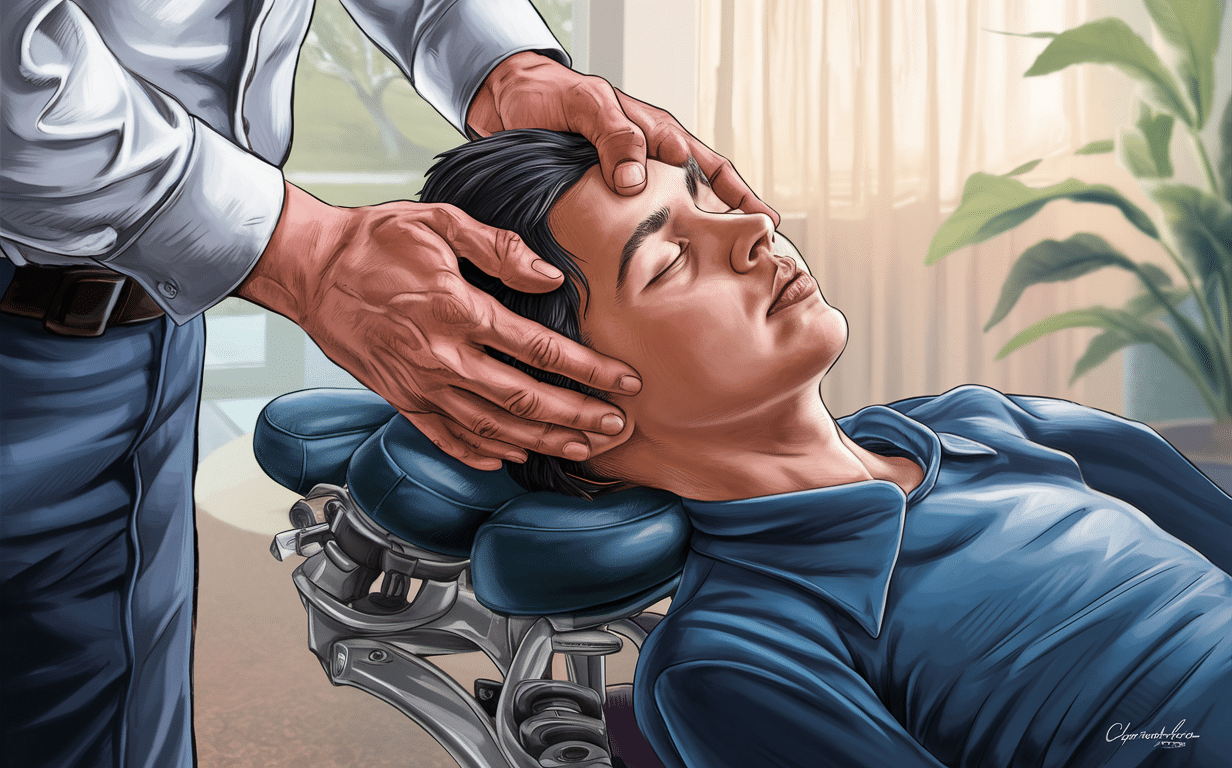
If you experience frequent or chronic tension headaches, it may be time to visit a chiropractor. Other signs that chiropractic care may be right for you include:
- Headaches that don’t respond to over-the-counter pain medication
- Headaches that interfere with daily activities or work
- Neck pain or stiffness along with headaches
- Poor posture or extended time spent in one position (e.g., at a desk)
Chiropractors can develop a personalized treatment plan based on your specific needs and goals. They may also coordinate care with your primary doctor or other healthcare providers to ensure comprehensive treatment.
Chiropractic vs. Other Therapies for Tension Headaches
While there are many treatment options available for chiropractic care for tension headaches, chiropractic care offers several unique benefits compared to other therapies. Here’s how it stacks up:
| Therapy | Pros | Cons |
|---|---|---|
| Over-the-counter pain medication | Convenient; provides quick relief | Only masks symptoms; can have side effects with long-term use |
| Prescription medication | Stronger pain relief | Potential for side effects and dependency |
| Massage therapy | Relaxes muscles; reduces stress | Temporary relief; does not address spinal misalignments |
| Acupuncture | May reduce headache frequency and intensity | Requires multiple sessions; not suitable for everyone |
| Chiropractic care | Addresses underlying causes; provides drug-free relief; promotes whole-body wellness | May require ongoing visits for optimal results |
Ultimately, the best treatment approach depends on your individual needs and preferences. Many people find that a combination of therapies, including chiropractic care, provides the most comprehensive relief from tension headaches.
Conclusion
chiropractic care for tension headaches is a common and often debilitating condition, but you don’t have to suffer in silence. Chiropractic care offers a safe, effective, and drug-free way to manage tension headaches by addressing the root causes of your pain. Through spinal adjustments, soft tissue therapies, lifestyle advice, and other holistic approaches, chiropractors can help you find lasting relief and improve your overall quality of life.
If you’re struggling with chronic tension headaches, consider making an appointment with a chiropractor. With their expertise in musculoskeletal health and commitment to natural healing, chiropractors can be valuable partners in your journey toward optimal wellness.
At Herring Chiropractic Clinic, our experienced team is dedicated to providing personalized care for patients with tension headaches and other chronic pain conditions. We offer a range of evidence-based therapies to help you find relief and achieve your health goals. Contact us today to schedule a consultation and take the first step toward a life free from tension headaches.